
Basketball Journal
Understanding the difference between regular-season and playoff rotations
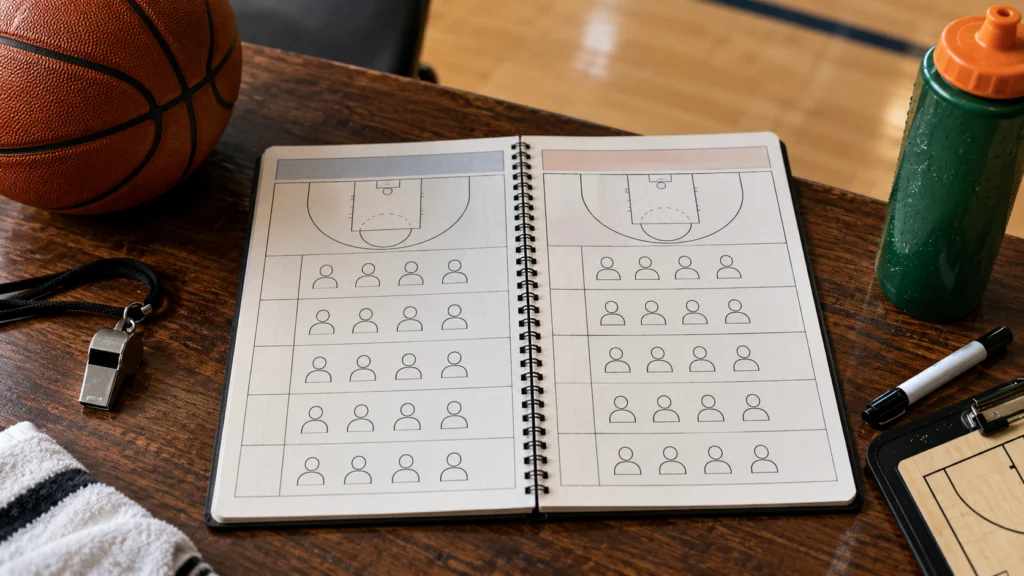
A rotation is the pattern of players used through a game, not simply the starting five. Comparing regular-season and playoff use can reveal changing priorities, but the actual pattern must be observed. Do not assume every team shortens or changes its bench in the same way.
Choose comparable samples
Record the season, competition stage and games included. Availability and opponent matchups can alter the picture. A single unusual game should not become the definition of a team’s whole rotation.
Track combinations as well as minutes. Two players can each receive a similar total while appearing in very different groups. Starting and finishing roles may also differ.
| Dimension | Observe | Context |
|---|---|---|
| Minutes | How playing time is distributed | Availability and game situation |
| Combinations | Which players share the floor | Roles and opponent units |
| Substitutions | When changes occur | Fouls, score and other verified factors |
| Closing group | Who is used late in a competitive game | Not automatically the starting lineup |
Explain a role before judging the total
A reserve may provide spacing, organisation or a particular defensive function. A lower minute total does not automatically mean the player has become worse. Ask what job is needed in the selected matchup.
Use official statistics with matching filters. Player-level net rating describes team point differential during those minutes, not a complete personal grade. Small lineup samples need caution.
- Use the same season and a clear game sample.
- Record lineup combinations.
- Check availability before interpreting absences.
- Distinguish observed changes from assumed coaching intentions.
Avoid a universal playoff story
A coach may use different arrangements in a series, but do not claim the intention without evidence. Explain the visible change and the basketball question it raises. The opponent can matter as much as the competition label.
Review whether the pattern persists. A brief experiment, foul trouble or a one-sided score can alter a game’s minutes. A careful comparison keeps those limits visible instead of presenting every substitution as a permanent verdict.
For a fictional comparison, a reserve’s twelve minutes might occur alongside starters in one game and in a different five-player group in another. Record those partners and the game situation before treating the equal minute totals as equal assignments. If you add net rating, retain its per-100-possession basis and the sample size; a team measure during those minutes does not isolate one player’s contribution.
Questions and answers
Is the starting five always the closing group?
No. Check the actual game and context rather than assuming the roles are identical.
Does fewer playoff minutes prove a player is poor?
Not by itself. Matchups, roles and availability can change use.
Can one game define the rotation?
It is an observation, but a broader claim needs a clear and suitable sample.
Sources: nba.com; official.nba.com.